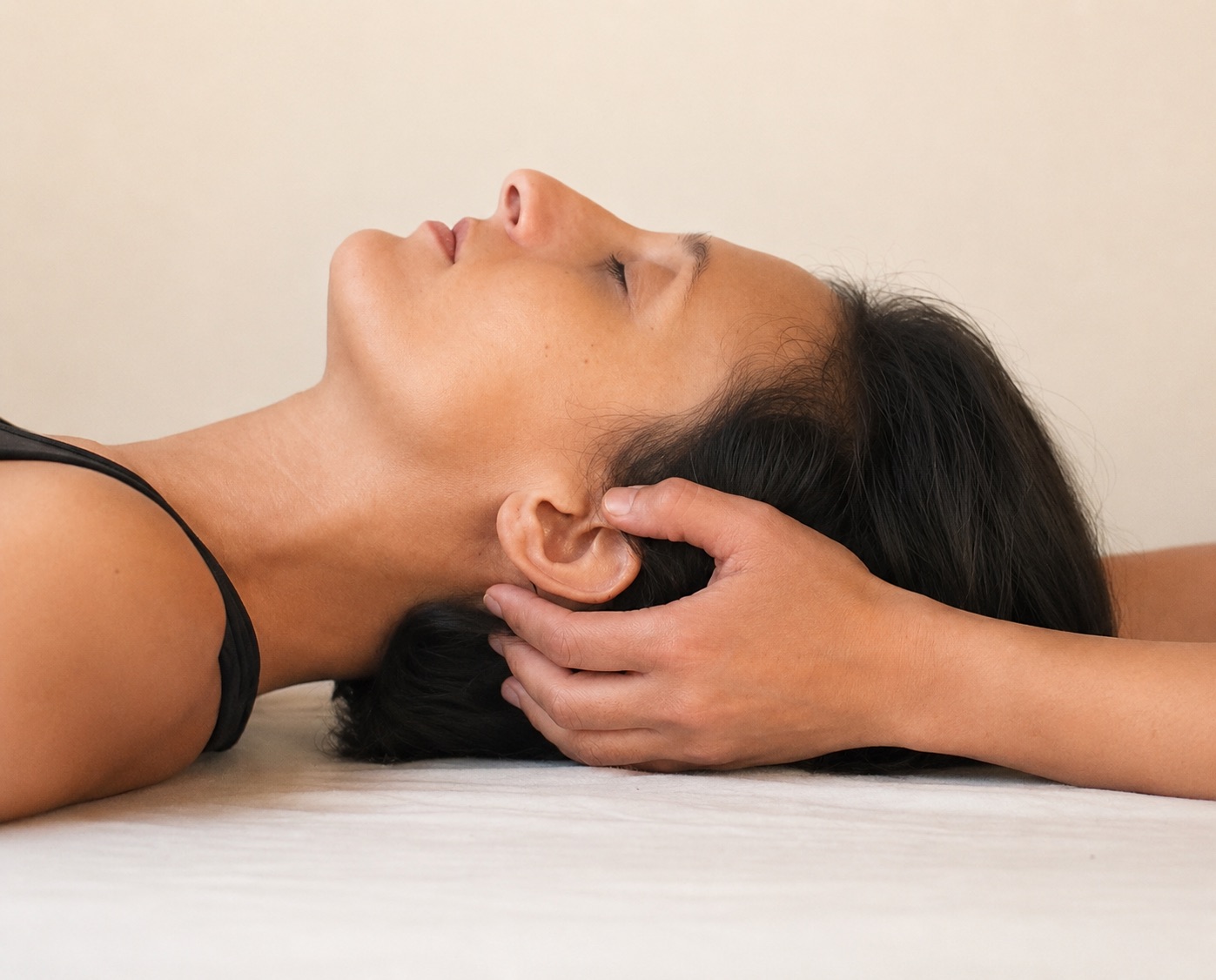
What is Biodynamic Craniosacral Therapy?
The word "biodynamic" combines the Greek roots for life and force. At its heart, this approach recognises an inherent life force as the foundation of human healing — one that is always present, always moving, always seeking wholeness. Our health is never lost, only obscured by our life conditions and experiences.
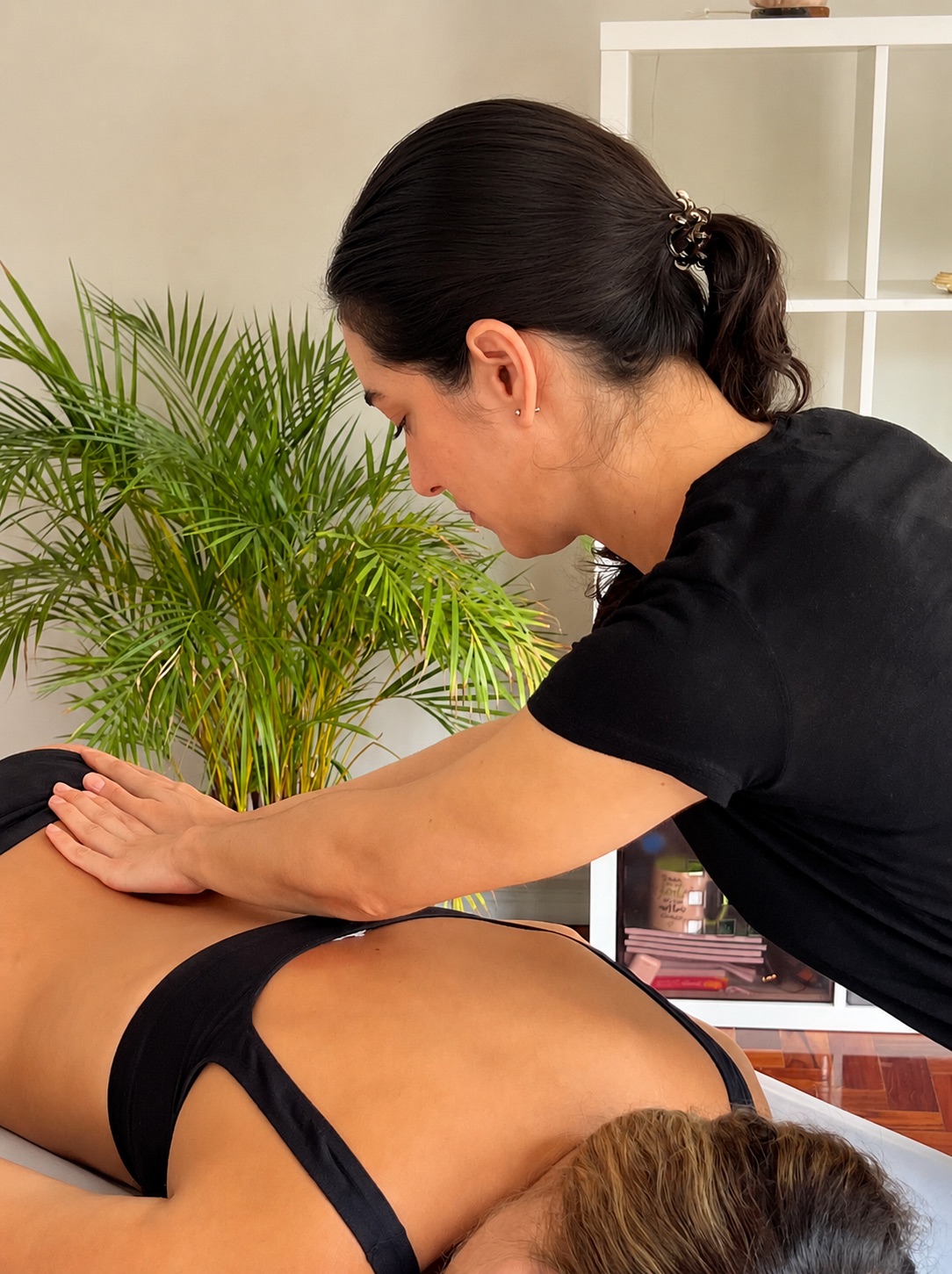
Rather than directing or manipulating the body, the therapist offers a deep, attentive listening, creating the conditions for each client's own system to lead the way.
What It Helps With
Modern life asks a great deal of the nervous system. Chronic stress, excessive use of devices and screens, overstimulation, unresolved trauma, and the relentless pace of daily demands all contribute to a system running on overdrive. Over time, this shows up in the body in many different ways. Biodynamic Craniosacral Therapy works primarily by supporting the nervous system to down-regulate and return to a more balanced, coherent state, creating the conditions for deeper healing to follow.
The results below tend to emerge through a course of sessions rather than in a single visit. Particularly noticeable results are found for those experiencing:
- Birth, emotional, dental, or accident trauma
- Aging-related concerns — stiffness, memory loss, inflammation
- Stress-related conditions
- Migraines, headaches, chronic pain, fibromyalgia
- Sleep issues, anxiety, depression, PTSD, autism, ADD/ADHD
- Circulatory, sinus, and asthma concerns
- TMJ problems, tinnitus, IBS
This therapy is suitable for all ages and life stages, including children and during pregnancy. Children respond especially well due to the gentleness and non-invasive nature of the work. It is also safe and recommended during pregnancy, childbirth, and after birth for nervous system calming.
Key Benefits
- Improved sleep and relaxation
- Increased energy and body awareness
- Reduced stress, anxiety, and chronic pain
- Enhanced spiritual well-being and emotional resilience